Kenya's New Education System - CBE: Full of Promise, Increased Need?
By Beth Wokabi, EFAC Director of Programs
Kenya is in the midst of one of the most significant education reforms in its history.
For nearly four decades, the country's education system followed the 8-4-4 model: eight years of primary school, four years of secondary school, and four years of university. The system prioritized academic mastery of subjects, and a student's future opportunities often depended on how they performed in a few high-stakes tests taken at key transition points.
Today's workforce looks very different from that of previous generations. Employers increasingly seek people who can think critically, communicate effectively, solve problems, work collaboratively, adapt to change, and use technology confidently. Academic knowledge remains important, but it is no longer enough on its own.
To better prepare learners for these realities, Kenya introduced a new Competency-Based Education (CBE) system. While the education journey has been reorganised into new learning stages - from pre-primary and primary school to Junior School (replacing the former upper primary grades), Senior School (replacing secondary school), and onward to tertiary education - the bigger shift is in what students are expected to learn and become. The focus is no longer only on passing exams, but on building the knowledge, skills, values, and competencies needed for life, work, and responsible citizenship.
The real change is in what success looks like and what that means for millions of children in Kenya.
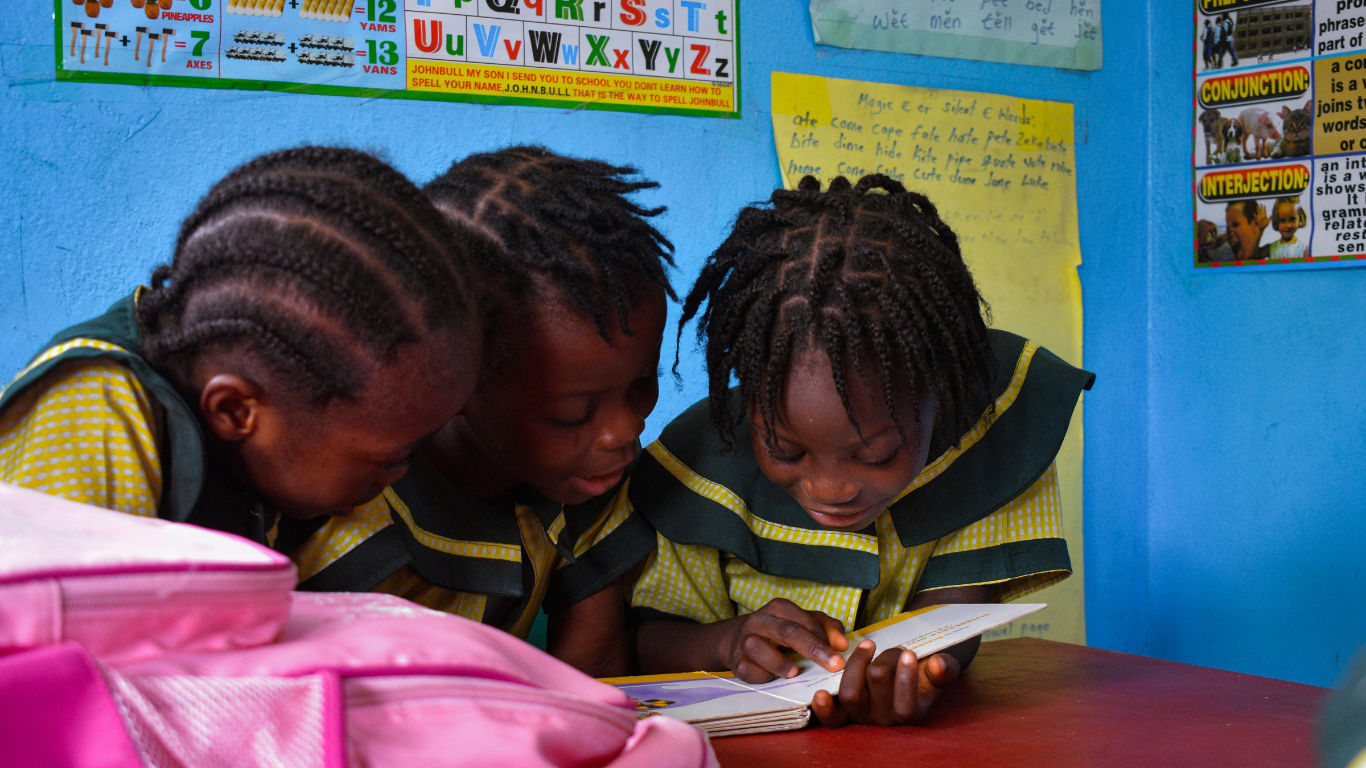
Photo Illustration: young students focus on reading a book together.
What next?
While CBE offers tremendous promise, it also raises the stakes for learners from disadvantaged backgrounds.
Under the previous system, a highly motivated student could sometimes overcome limited resources through focused exam preparation. Success was never easy, but determination and strong academic performance could create opportunities despite difficult circumstances.
CBE changes the equation.
The new model relies heavily on project-based learning, continuous assessment, practical application of knowledge, digital literacy, research, communication, and collaboration. Learners need access to technology, libraries, laboratories, mentorship, career guidance, and learning environments that support exploration and creativity.
In short, the quality of a learner's environment matters more than ever.
Imagine two students with equal intelligence, equal ambition, and equal potential. One attends a well-resourced school, with modern laboratories, reliable internet access, leadership opportunities, and structured career guidance. The other attends a school with limited facilities, minimal technology, few enrichment opportunities, and overstretched resources.
Both are capable.
Both are hardworking.
But under a competency-based system, their opportunities to develop and demonstrate those competencies can look very different.
This is not a criticism of CBE. In fact, it highlights its strength. The curriculum encourages deeper learning and broader development.
The challenge is ensuring that every child has the resources and support needed to participate fully.
This is where organizations like Education For All Children (EFAC) become more important than ever.
The stakes are even higher
At EFAC, we believe that talent is universal, but opportunity is not. For nearly two decades, EFAC has worked to identify bright, financially disadvantaged young people and connect them to opportunities that can transform their futures. Through our Wezesha model - "wezesha" meaning "to empower" in Kiswahili - we provide far more than scholarships. We partner with high-performing secondary schools and universities across Kenya, ensuring that scholars gain access to strong academic environments where they can thrive. But access is only the beginning.
EFAC's model was built on the understanding that education alone is not enough.
A scholarship may open the school gate, but it is mentorship, leadership development, life skills, exposure, guidance, and support that help a young person walk confidently through it. Long before Competency-Based Education became national policy, EFAC was investing in the very competencies the new system seeks to cultivate.
Our scholars participate in mentorship programs, leadership development workshops, personal growth training, community engagement initiatives, career exploration opportunities, and employability preparation. They learn how to communicate effectively, think critically, solve problems, collaborate with others, and lead with integrity.
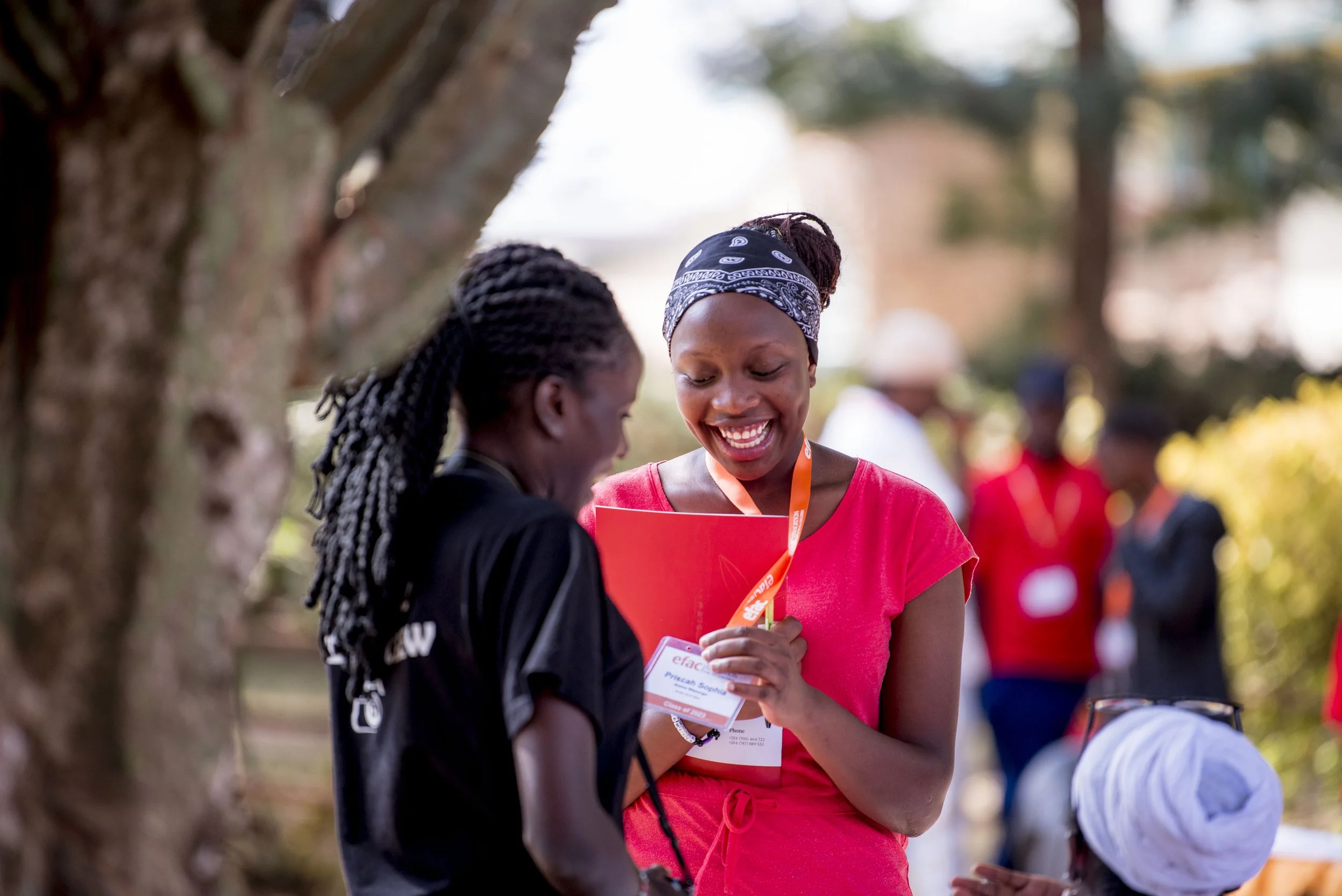
Photo: EFAC scholars at a past workshop
We recognize that true transformation happens when a young person is equipped not only with qualifications, but also with confidence, skills, networks, resilience, and purpose.
In many ways, Kenya's transition to CBE validates what EFAC has believed all along: that education should develop the whole person. However, as the country continues implementing this reform, we must ensure that vulnerable learners are not left behind. Educational transformation should not be reserved for children whose families can afford opportunity. It should be accessible to every learner with the talent, determination, and potential to succeed.
Many children from most of Kenya’s rural areas and urban slums still need access. They need support. They need mentors. They need exposure. They need opportunities to grow into the capable, confident leaders they can become.
Our Commitment
At EFAC, the future of CBE is already taking shape. Our first cohort of beneficiaries under the new system is currently in Grade 10, comprising 200 bright and talented young Kenyans who are among the country's first Senior School learners. As they embark on this journey, they remind us why our mission matters: ensuring that every child, regardless of background, has the opportunity not only to access education but to thrive in an increasingly complex and opportunity-driven world.
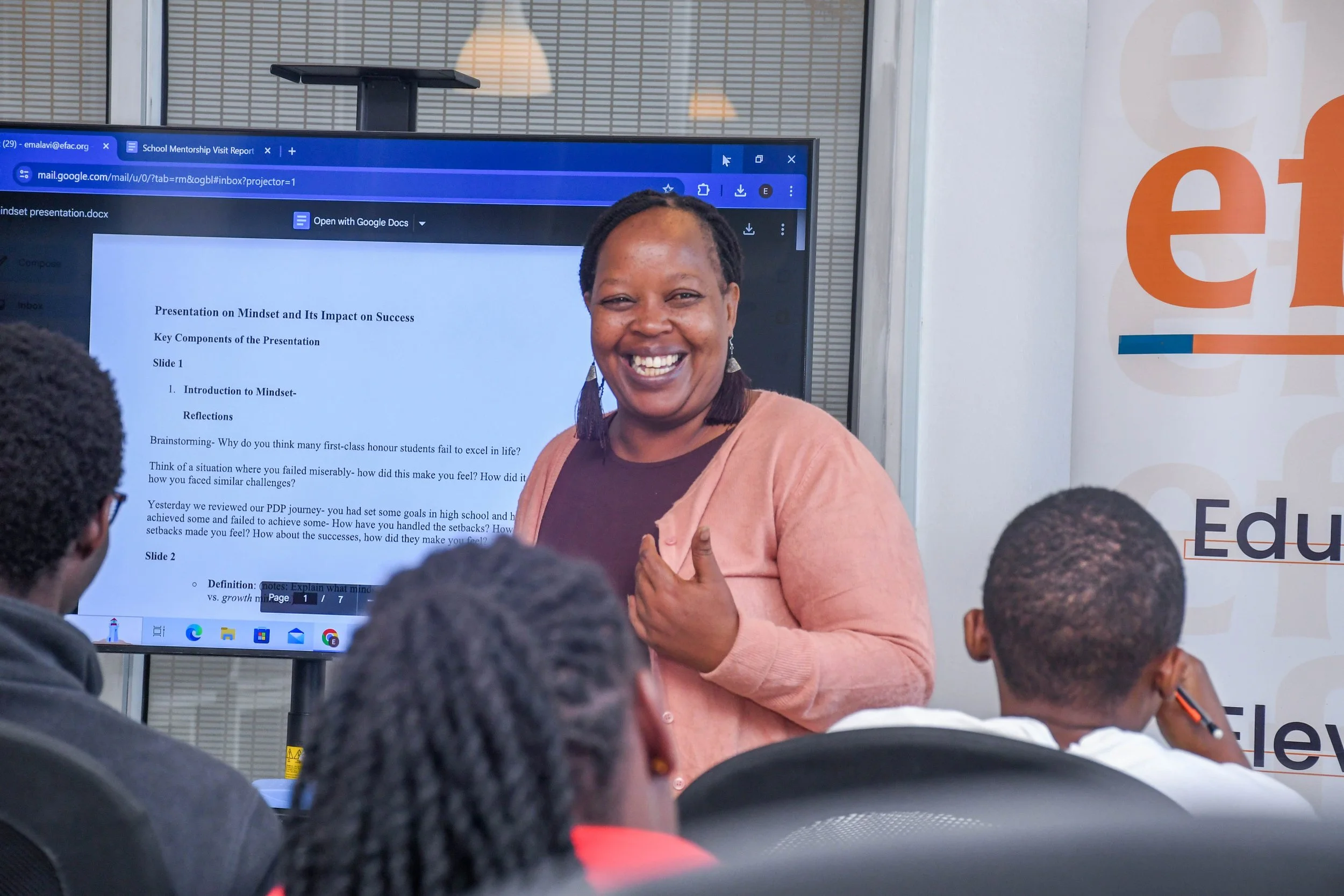
Photo: EFAC's Director of Programs, Beth Wokabi handling a Mentors Training