Beyond Us - 'Jenga Jamii'
By Regina Cheptoo, EFAC Alumna - Class of 2025
Originally published in the 2025 Wezesha Magazine
From the hills of West Pokot to the global stage, Regina Cheptoo, an EFAC alumna and founder of Jenga Jamii, is proving that true change begins at the grassroots. Her work empowering rural women through health, education, and climate resilience has earned her global recognition and reminds us why community matters.
**Jenga Jamii is Swahili for “build a community.”
I grew up in West Pokot, a land of breathtaking hills and wide horizons, but also a place where many girls’ dreams fade too soon. In my community, 74% of women and girls have undergone female genital mutilation (FGM), 57% are married before their 18th birthday, and teenage pregnancy stands at 36%, more than double the national rate.
For most girls, the path is laid out early: undergo the cut, get married young, bear children, and spend your life in the struggle of survival. School, if it ever happens, rarely goes beyond the basics. I knew that reality too well. My own future felt uncertain until one opportunity changed everything.
In 2015, I was selected to join the Education For All Children (EFAC) program. That moment remains the turning point of my life. I joined Starehe Girls’ Centre, one of Kenya’s top national schools, where I encountered new ideas, confidence, and a community of girls who, like me, were determined to change their stories.
Through EFAC’s leadership and community service programs, I learned that education is more than personal advancement - it’s a tool for transformation. We were encouraged to serve, mentor, and give back. It was there that I first understood what it means to lead with purpose and compassion.
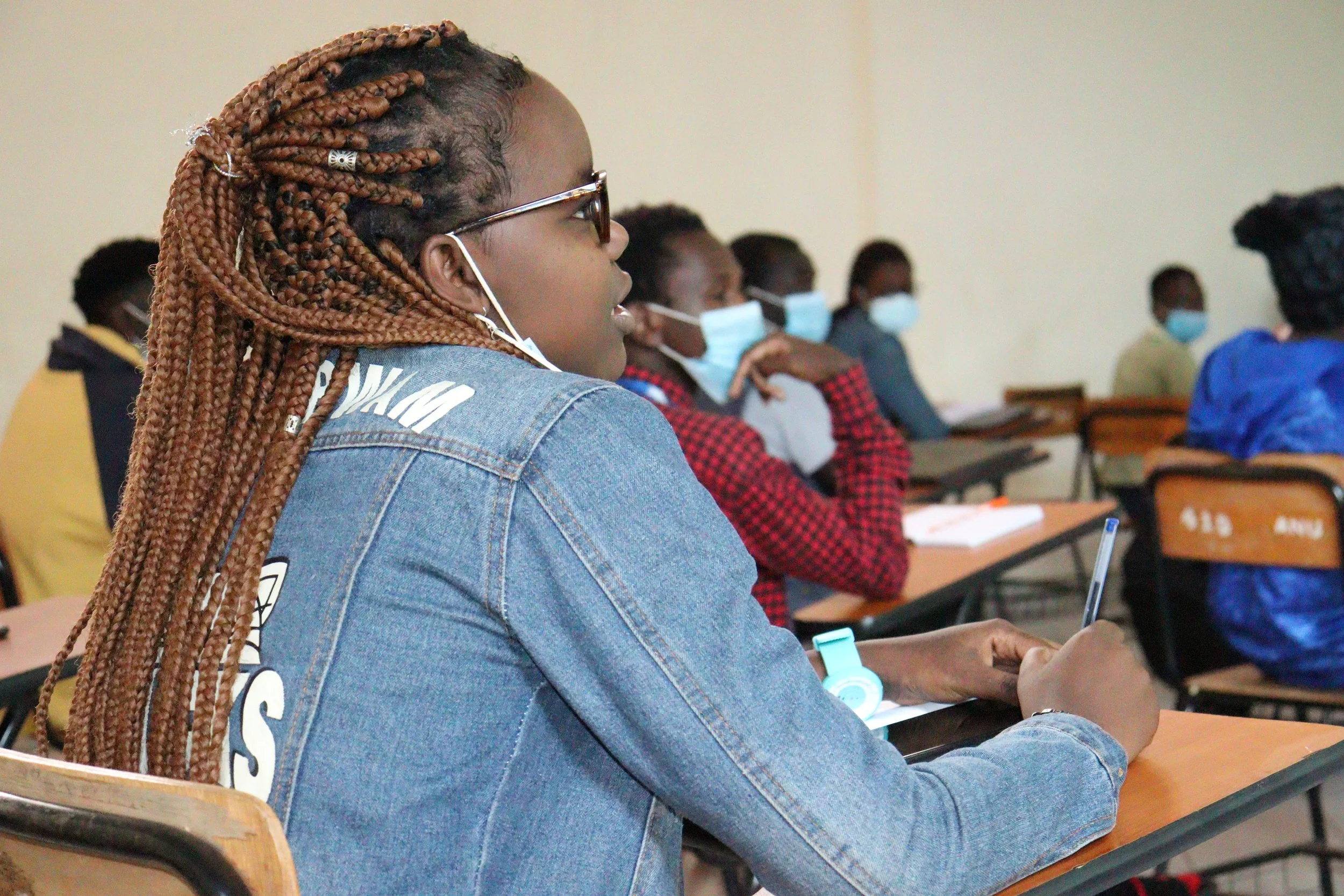
Regina at a previous EFAC Workshop
After high school, EFAC continued to support me as I joined Jomo Kenyatta University of Agriculture and Technology (JKUAT) to pursue a Bachelor of Science in Clinical Medicine. My background in health revealed how deeply connected the challenges in my community are: poverty, gender inequality, poor health, and climate change all feed into one another. I realized that treating people medically was not enough; lasting change had to come from addressing the roots of these issues.
That realization inspired me to found Jenga Jamii, which means Build the Community in Swahili. Jenga Jamii is a youth- and women-led organization based in West Pokot, focused on empowering adolescent girls, survivors of gender-based violence, and young mothers through education, health, climate resilience, and economic empowerment.
Through Jenga Jamii, we have reached more than 2,000 people with integrated programs that improve livelihoods and restore dignity. Over 150 survivors of gender-based violence have completed our financial literacy and skills training, enabling them to start businesses, adopt sustainable farming, and gain independence.
My journey has been shaped by many hands - mentors, teachers, fellow women who believed in me when the world didn’t. That’s why I lead with empathy. Every program I design comes from lived experience and a deep connection to my community’s struggles.
In 2025, I was honored to receive the Women’s World Summit Foundation (WWSF) Prize for Women’s Creativity in Rural Life, recognizing our work at Jenga Jamii in empowering rural women through health education, economic inclusion, and climate resilience. The WWSF described our work as “strength in soil and solidarity,” words that truly define our communities and the unity of women who refuse to be left behind. I was also humbled to be named among the Top 10 Young Changemakers in the North-West Region and Top 40 nationally by the Inclusion Climate Innovation Labs (ICIL), a reminder that lasting change begins right where we are.
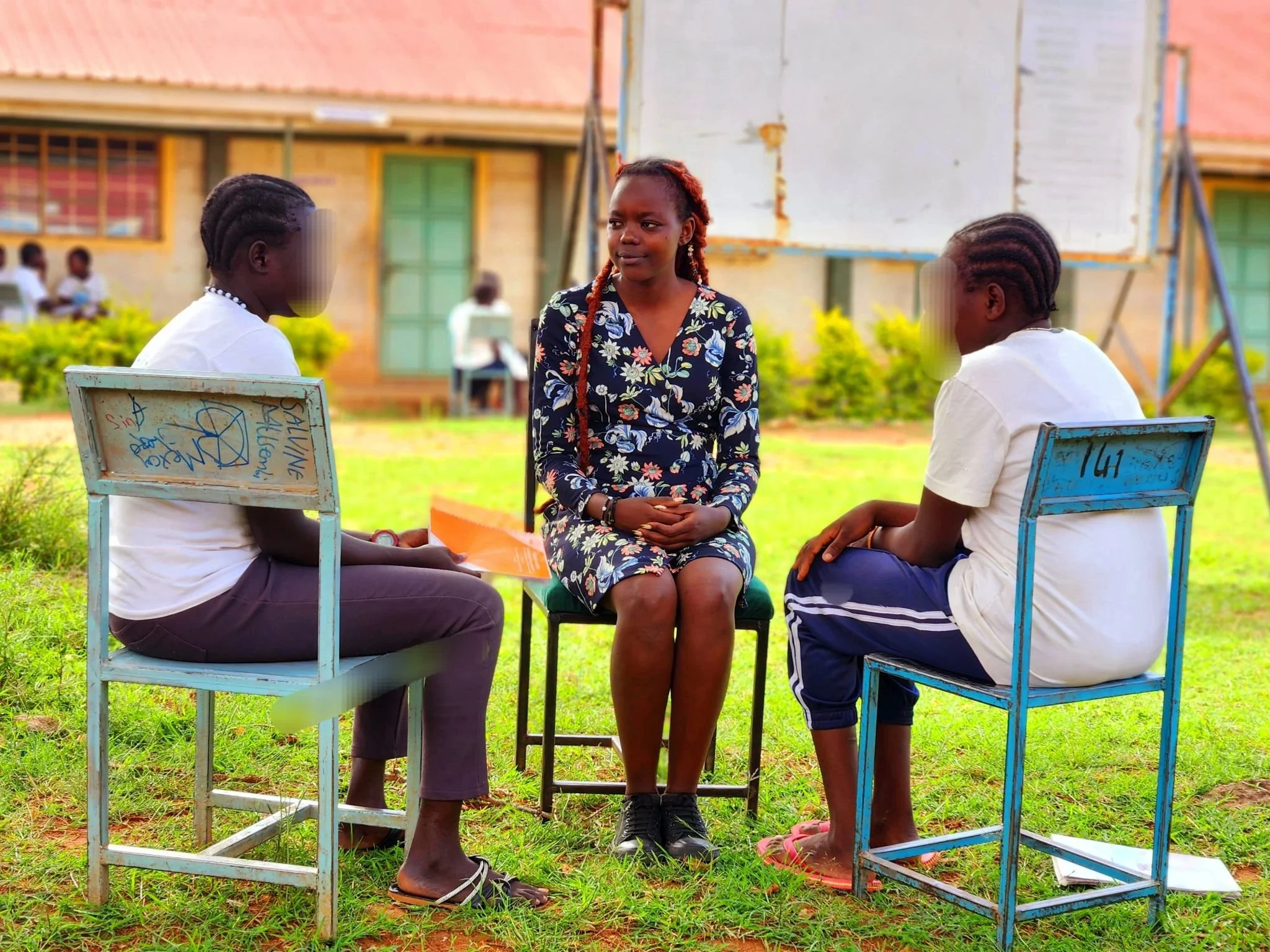
Regina at a mentorship session courtesy of Jenga Jamii Organization
Looking ahead, I envision Jenga Jamii growing into a leading grassroots foundation with national and regional influence. Every time I stand before a group of girls in Morpus or a women’s cooperative in Chepareria, I see reflections of my younger self - unsure, yet full of potential. And I am reminded that I am here because someone believed in me. EFAC gave me that chance. Now, through Jenga Jamii, I am giving it to others, one girl at a time.